
5 Things You Should Never Throw Away Before an Estate Sale
Preparing a home for an estate sale can feel overwhelming. Many families want to tidy up before calling a professional, but well-intentioned cleaning can sometimes mean throwing away items that have real value. One of the biggest mistakes we see is people assuming that if something is old, worn, or no longer useful to them, it won't be useful to anyone else. The truth is, estate sale shoppers are often looking for exactly those unique, vintage, and collectible items.
Before you start filling trash bags or loading up a donation box, here are five things you should never throw away before an estate sale.
1. Old Paperwork, Photographs & Documents
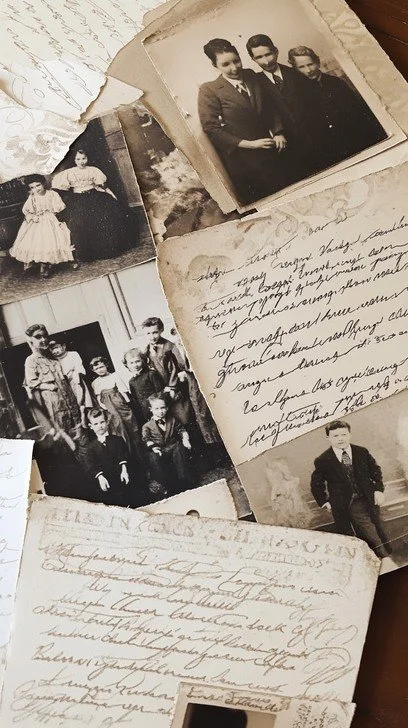
Boxes of old papers may not seem exciting, but they can hold surprising value.
Items like family photographs, handwritten letters, postcards, vintage maps, military memorabilia, yearbooks, old advertisements, recipe books, and antique documents are all popular with collectors. Even paper items that aren't particularly valuable can help tell the story of a family's history, making them meaningful to relatives or appealing to buyers interested in local history.
Instead of sorting through every box yourself, let your estate sale company review them first. It's much easier to decide what to keep after someone has identified what may have value.
2. Jewelry (YES-Even Costume Jewelry!)
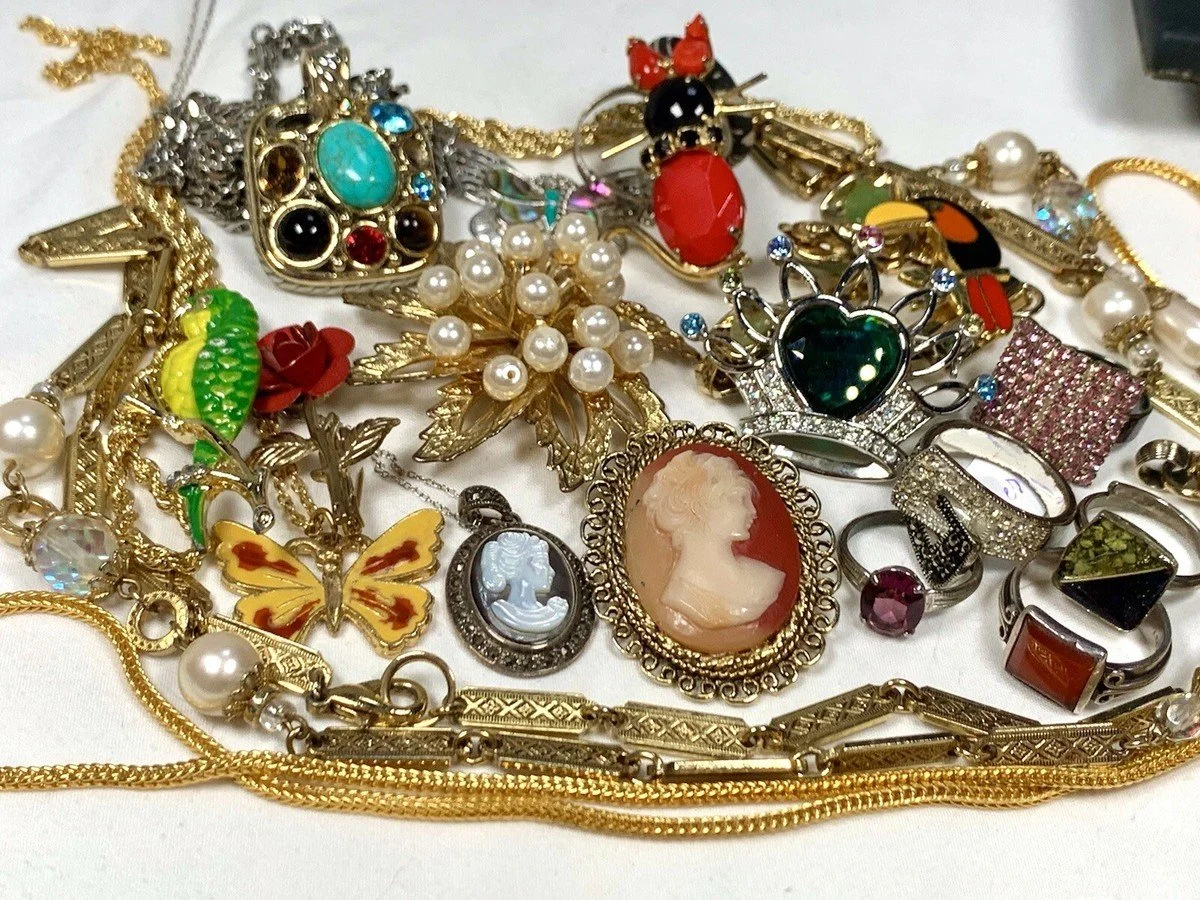
Many people know that gold and silver are valuable, but they often overlook costume jewelry.
Vintage brooches, colorful necklaces, designer costume pieces, cufflinks, pocket watches, and even broken jewelry can all attract buyers. Some costume jewelry brands are highly collectible, and pieces that seem ordinary may be worth much more than expected.
If you find a jewelry box tucked away in a drawer, don't assume it's only sentimental. Let an experienced estate sale professional sort through it before anything is discarded.
3. Vintage Kitchen Items
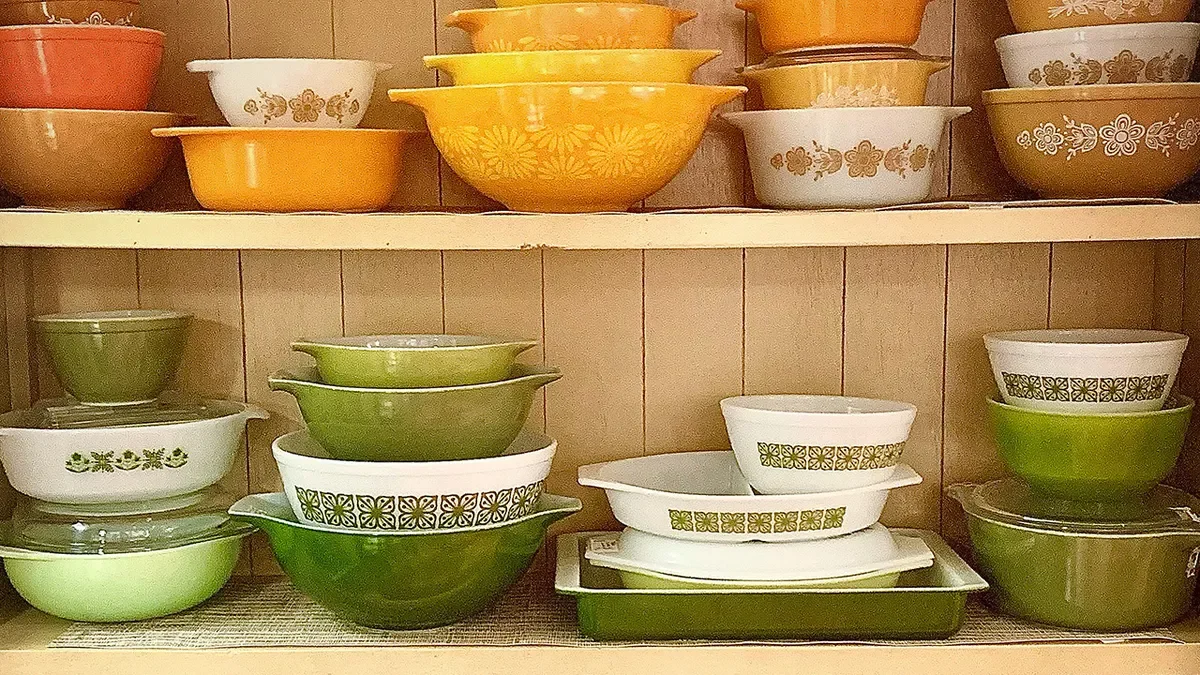
Believe it or not, the kitchen is often one of the most popular areas at an estate sale.
Cast iron cookware, vintage Pyrex, CorningWare, Fire-King dishes, old mixing bowls, cookie jars, kitchen scales, and unique utensils are favorites among collectors and home decorators alike.
Even everyday kitchen gadgets from decades past can spark interest because they're often built to last and difficult to find today.
If it came from Grandma's kitchen, there's a good chance someone will be excited to take it home.
4. Toys, Games & Collectibles
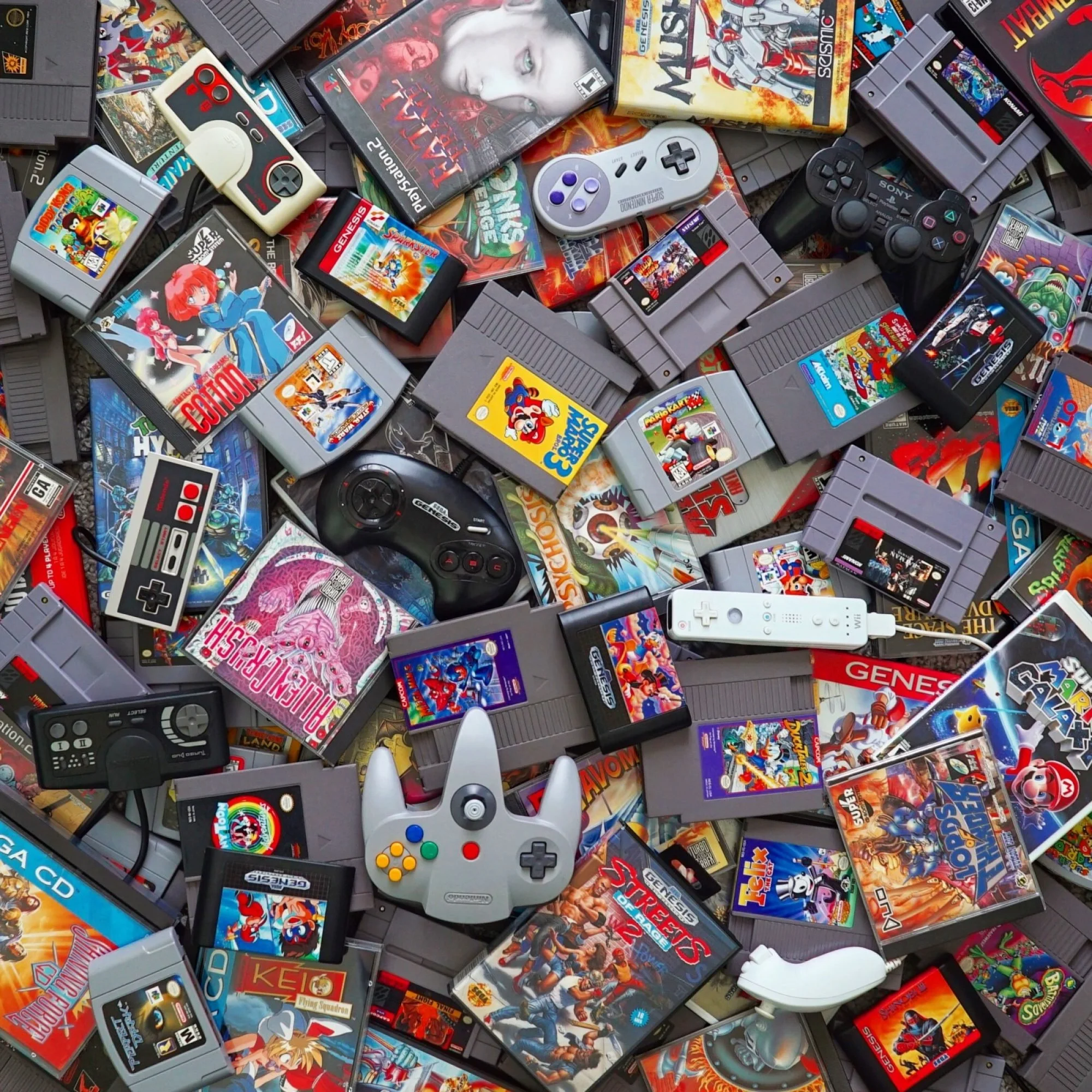
Don't be too quick to toss that box from the attic.
Old toys, board games, comic books, sports memorabilia, vinyl records, trading cards, vintage Christmas decorations, advertising signs, and even older video games can all be desirable to collectors.
The condition certainly matters, but it doesn't have to be perfect. Buyers are often searching for nostalgic items that remind them of their childhood or complete a collection they've been building for years.
We've seen items that families considered "junk" become some of the most talked-about pieces in a sale.
5. Furniture, Artwork & Home Décor
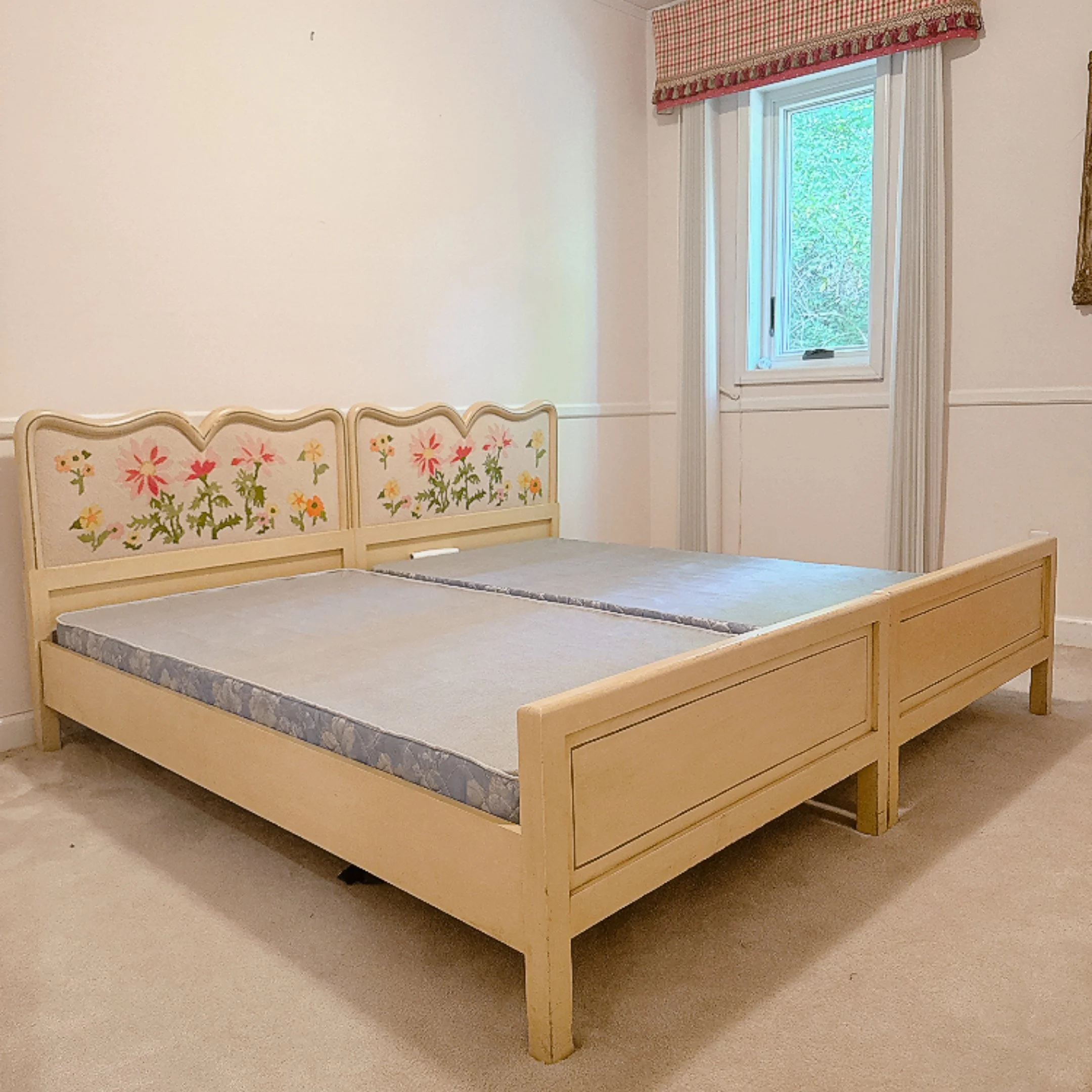
Styles come and go, but quality never goes out of fashion.
Solid wood furniture, original artwork, antique mirrors, lamps, pottery, clocks, decorative accessories, and unique home décor often attract buyers looking for one-of-a-kind pieces.
Even if a piece isn't an antique, it may still have value because of its craftsmanship, style, or brand. What doesn't fit today's decorating trends for one family may be exactly what another buyer has been searching for.
Rather than moving furniture to the curb, let your estate sale company evaluate it first.
THE BOTTOM LINE
If there's one piece of advice we can give, it's this: When in doubt, don't throw it out.
Every estate is different, and it's nearly impossible to know what today's buyers are looking for without experience. Items that seem insignificant to one person may be highly desirable to collectors, decorators, or bargain hunters. At the very least, give your estate sale company the opportunity to evaluate the contents of the home before you begin throwing things away. You may save yourself from accidentally discarding something valuable and you'll help ensure your estate sale has the best possible selection for shoppers.
Preparing for an estate sale doesn't mean emptying the house before the professionals arrive. Sometimes the best thing you can do is simply leave everything in place and let the experts help you decide what stays, what sells, what should be donated, and what truly belongs in the trash.